

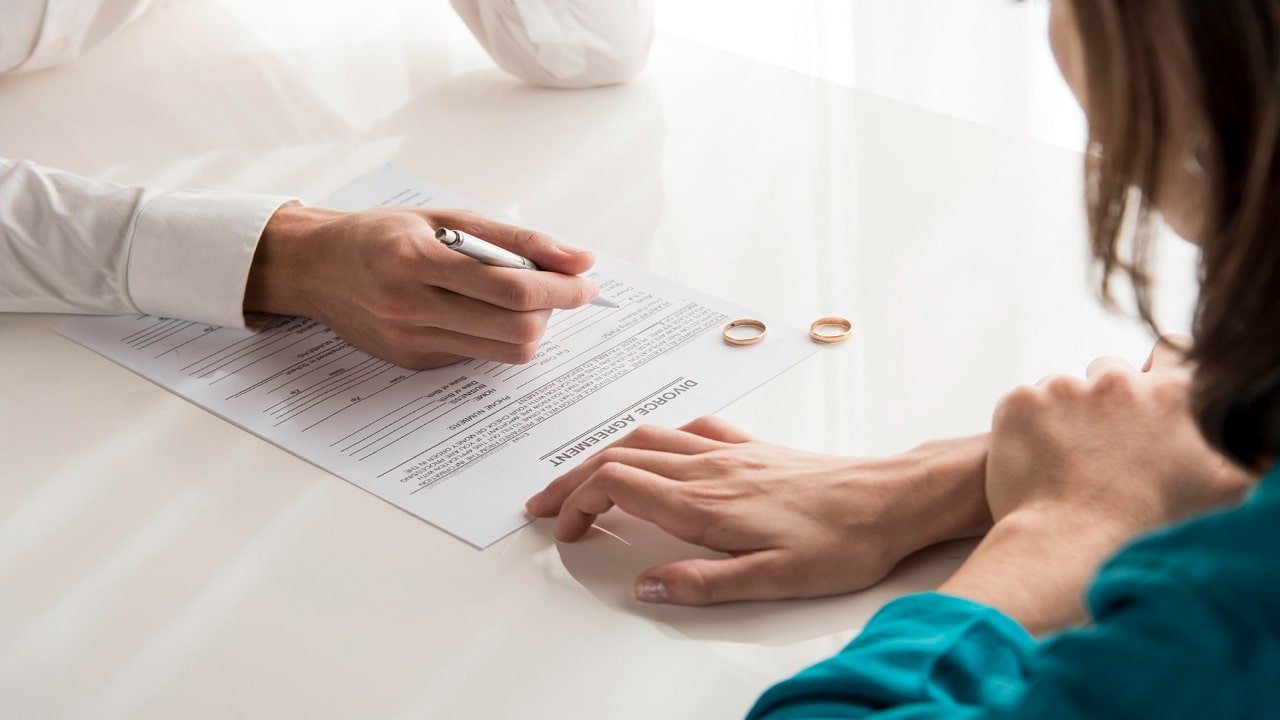
Divorce can be tough. You are likely feeling overwhelmed, but knowing the steps in the California divorce process can help. Whether you live in Sacramento or you’re considering contacting a divorce attorney in Carlsbad, the process remains the same. You begin with filing a petition. Next, you serve papers to your spouse. This ensures they understand and respond to the divorce. Following this, you disclose financial information. This allows for fair division of assets and responsibilities. You then negotiate terms like child custody and support. Some couples agree easily, while others may need mediation. If agreements can’t be reached, the court decides. Finally, the divorce becomes official.
Each step may bring its own challenges, but you are not alone. By breaking it down, you can navigate the process with confidence. Remember, support is available. A clear plan helps you move forward, ensuring you make informed decisions for yourself and your family.
Step 1: Filing the Petition
To start, you fill out necessary forms. These include the Petition and Summons forms. The Petition requests the court’s permission to end the marriage. The Summons notifies your spouse of the pending divorce. You then file these with the local court. This action initiates the legal process.
Step 2: Serving the Papers
Serving the papers formally notifies your spouse. You cannot do this step yourself. Instead, ask someone over 18 or hire a process server. They deliver the documents and complete a Proof of Service form. This proves your spouse received the paperwork.
Step 3: Financial Disclosure
Both parties need to share financial information. Complete the Declaration of Disclosure and the Income and Expense Declaration forms. These outline assets, debts, income, and expenses. Honest disclosure ensures fair negotiations and settlements. The California Courts’ self-help website provides detailed guidance on these forms.
Step 4: Negotiating Terms
After disclosure, discuss key terms. These include property division, child custody, and support. Cooperative discussions work best. Sometimes, mediation helps. If mediation is necessary, both parties work with a neutral mediator. You aim to reach agreements without court intervention.
Step 5: Court Intervention if Necessary
If negotiations fail, court intervention occurs. A judge reviews disagreements and makes decisions. The court evaluates factors like children’s needs and each parent’s situation. This step requires patience. Trust the court to make fair decisions.
Step 6: Finalizing the Divorce
Once terms are agreed or court rules, prepare the divorce judgment. Submit this to the court. After a mandatory six-month waiting period, the divorce becomes final. You receive a Notice of Entry of Judgment. This document finalizes the divorce process.
Cost and Time Comparison Table
| Divorce Aspect | Estimated Cost | Estimated Time |
|---|---|---|
| Filing Fees | $450 | – |
| Mediation | $2,500 – $5,000 | 1-3 months |
| Court Litigation | $15,000+ | 1+ years |
Accessing Support
Support ranges from legal aid to counseling. Access legal resources through local courts or online. The California Courts’ self-help resources offer valuable tools. They provide guidance and support for those navigating divorce.
Conclusion
Each step in the California divorce process is crucial. From filing to finalizing, understanding each part empowers you. Challenges are normal, but you don’t face them alone. Use available resources to support your journey. Calmly navigate decisions with confidence and compassion for yourself and your family.


[…] An uncontested divorce is when both spouses agree on major issues such as property division, child custody, and support. This type of divorce is often quicker and less expensive. You avoid the stress of long court proceedings. When both parties are on the same page, it simplifies the process. […]