

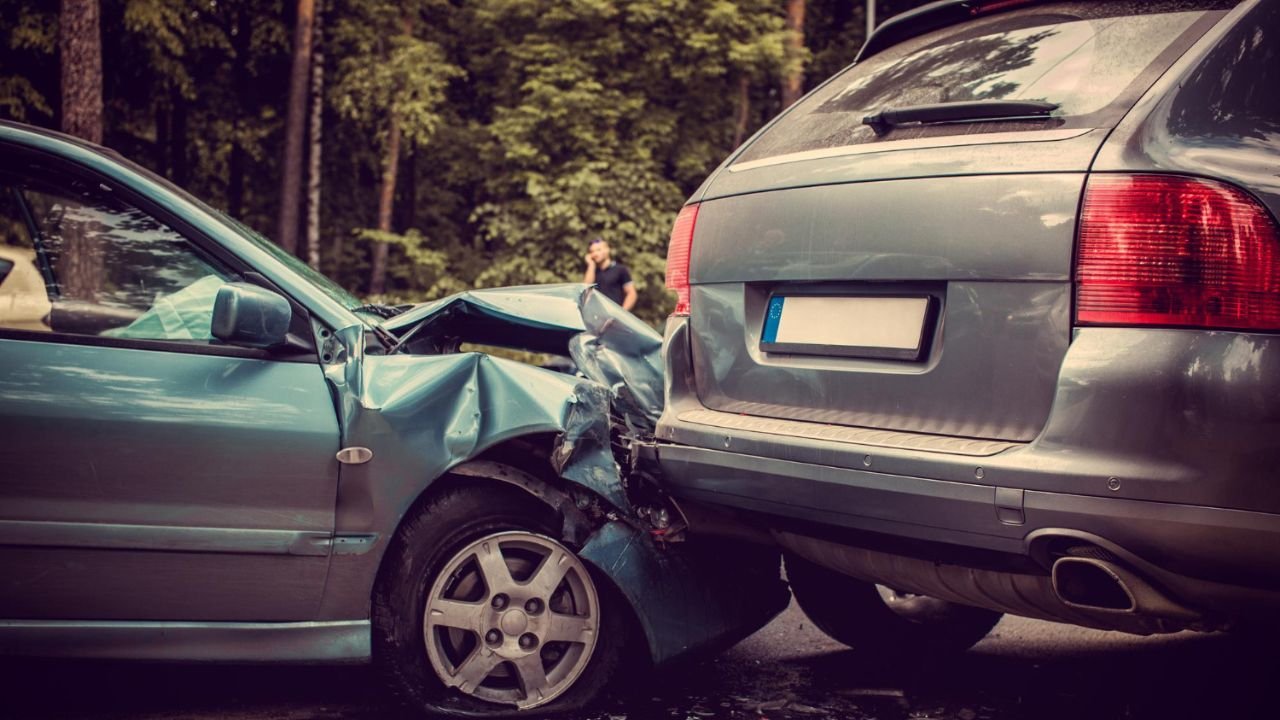
Crashes on Orem and Utah County roads change lives in one second. You see the sirens, the torn cars, and you wonder what the numbers really mean for you and your family. This blog explains that. You will see how often crashes happen, where they happen, and who gets hurt most. You will learn what types of injuries are most common and what that risk looks like in your daily routine. Then you will see what steps you can take today to lower your chances of ending up in those numbers. You will also see when it makes sense to talk with Orem personal injury lawyers and why timing matters after a crash. Data can feel cold. Here, it becomes a warning, a guide, and a push to protect yourself and the people you love.
How often crashes happen in Orem and Utah County
Utah roads see thousands of crashes each year. Utah County carries a heavy share of that pain. Data from the Utah Department of Public Safety shows that Utah County ranks near the top in total crashes and injuries every year. You live in a busy corridor. You share roads with commuters, students, and freight traffic. That mix raises your risk every time you pull onto State Street or I-15.
You can think about the numbers this way.
- Crashes happen every day, not only on holidays
- Most crashes occur in daytime and in clear weather
- Many involve speed, distraction, or following too close
So the main threat is not a rare storm. Instead it is the daily drive that feels safe because you have done it many times before.
Where and when you face the most risk
Location matters. Some roads and times of day bring a higher chance of a crash. Utah state data shows more crashes in urban zones with traffic signals, shopping access, and school routes. In Orem and across Utah County, that often means:
- Main corridors like State Street and University Parkway
- On and off ramps to I 15
- Intersections near schools and campuses
Time of day also matters. Many crashes cluster in three blocks of time.
- Morning rush when people hurry to work and school
- Afternoon school release and work commute
- Late night hours when fatigue and impairment rise
You lower your risk when you give yourself more time, avoid last second lane changes, and stay alert near busy intersections.
Who gets hurt most in these crashes
Crashes do not hit every group the same way. Statewide reports from the Utah Department of Health and Human Services show patterns that also affect Orem and Utah County. You can see three groups with higher risk:
- Teens and young adults who drive with less experience
- Older adults whose bodies break more easily in a crash
- People who walk or bike and have no steel shell around them
Young drivers show higher crash rates. Older drivers show higher injury rates when crashes happen. People who walk or ride a bike face a higher chance of serious harm in any impact. You protect the people you love when you understand which group they are in and what that means on the road.
Common injuries and what they mean for daily life
Every crash is different. Even so, some injury patterns repeat again and again. These are some of the most common:
- Neck and back strain
- Head hits and concussions
- Broken bones in arms, legs, ribs, or hips
These injuries can change your work, sleep, and mood. A neck injury can make it hard to lift a child or sit at a desk. A concussion can affect memory and focus. A broken leg can remove your income for months. You may feel fine at the scene then feel pain hours or days later. That is why you should always seek medical care after a crash even if you think you are okay.
How Orem and Utah County compare with Utah as a whole
It helps to see your risk in context. The table below uses sample numbers that reflect common patterns in Utah crash data. The numbers are for showing patterns only. For current state reports you can review the Utah crash summary from the Department of Public Safety at https://highwaysafety.utah.gov/.
| Location | Crashes per 10,000 residents (1 year) | Injury crashes per 10,000 residents | Percent involving teen drivers
|
|---|---|---|---|
| Orem (sample) | 55 | 18 | 28% |
| Rest of Utah County (sample) | 48 | 15 | 24% |
| State of Utah overall (sample) | 42 | 14 | 22% |
This pattern shows three key points.
- Orem may see more crashes per resident than the state as a whole
- Injury crashes cluster in busy city zones
- Teen drivers play a large role in crash figures
When you hand keys to a new driver in your home you also hand them a share of this risk. You lower that risk with training, clear rules, and honest talks about phones, speed, and seat belts.
Steps you can take today to stay safer
You cannot control every driver around you. You can still cut your own risk in three direct ways.
- Slow down. A few miles per hour less can turn a deadly crash into a walk away event
- Cut distractions. Put the phone out of reach. Set music and navigation before you move
- Buckle up every time. Make seat belts non negotiable for every person in the car
Then set clear habits for your family.
- Use crosswalks and signals when you walk
- Use lights and helmets when you ride a bike or scooter
- Choose a sober ride every time you drink or take drugs that affect focus
Small choices stack up. Over a year those choices can mean fewer emergency room visits and fewer empty chairs at your table.
What to do after a crash
If a crash happens you may feel shock and confusion. A simple three step plan can help you protect your health and your rights.
- Call 911 and move to safety if you can
- Get medical care right away even for pain that seems small
- Document the scene with photos and names of witnesses
Then contact your insurance company and keep copies of every record. If someone is hurt or fault is unclear you may also want legal guidance. You can learn more about injury and crash data and prevention in Utah through the Utah Department of Health and Human Services.
Why these numbers should change how you drive today
Crash statistics are not just charts. They are families who do not get a normal day back. When you see that Orem and Utah County carry higher crash and injury counts you gain a hard truth. Your daily drive is not routine. It is a risk that you can shape with your choices.
You protect your family when you treat every trip like it matters. You slow down. You stay off the phone. You demand seat belts. You watch for people on foot and on bikes. You ask hard questions when a teen in your home wants the keys.
The numbers will keep changing every year. Your goal is simple. Make sure you and the people you love never become part of that count.

