

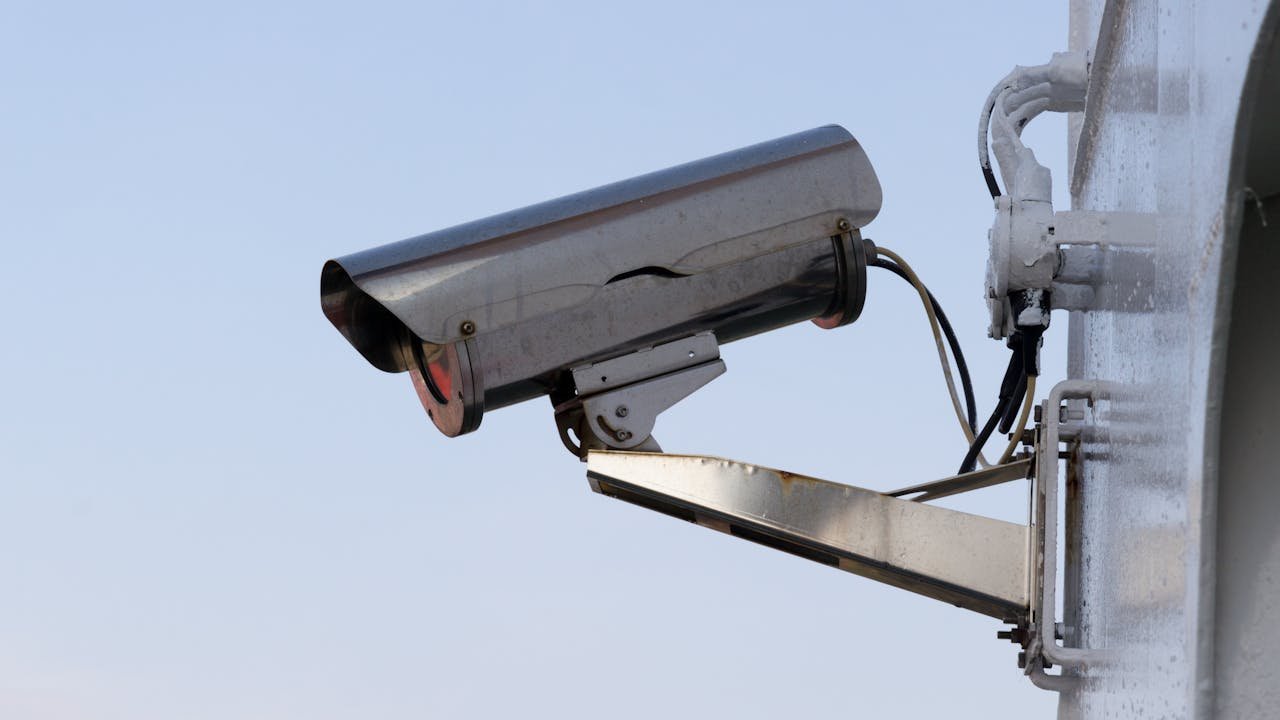
When you fall on someone else’s property, you feel shock, pain, and doubt. You wonder what really happened. You wonder if anyone will believe you. Security cameras can answer those questions. They record how the fall happened, what caused it, and how staff reacted. This proof can help you show the truth in a claim. It can also expose lies, missing details, or unsafe habits. Many injured people never see the footage that could help them. Some do not ask for it in time. Others do not know it exists. This blog explains how cameras affect slip and fall claims.
You learn when video helps, when it hurts, and how to protect your rights. You also see why quick action matters. Philly Slip and Fall Guys use this kind of proof often. You can use it too.
How Security Cameras Affect Your Claim
Security cameras do one simple thing. They show what really happened. In a slip and fall claim, that can change everything.
Video can show three key facts.
- What caused the fall
- How long the danger existed
- How people acted before and after the fall
You often need to prove that the owner knew or should have known about the hazard. A camera that shows a wet floor for an hour tells a different story than a spill that happened seconds before you fell.
What Security Footage Can Show
Security footage can support many parts of your story. It can also protect the property owner. The power cuts both ways.
Footage can show:
- The hazard on the floor or walkway
- Warning cones or signs or the lack of them
- Cleaning or repair efforts before the fall
- Your shoes, clothing, and how you walked
- Other people slipping in the same spot
- Staff response time and first aid
Sometimes the camera does not capture the fall itself. It may still help. It might show workers walking past a spill again and again. It might show rain tracked into a store entrance without mats.
When Video Helps You And When It Hurts You
Security video can support you. It can also weaken your claim. You need to understand both risks.
| Type of footage | How it can help you | How it can hurt you
|
|---|---|---|
| Shows clear hazard with no warning signs | Backs up your story about a hidden danger | May show you ignoring an obvious puddle or object |
| Shows hazard present for a long time | Suggests owner had time to fix the problem | May show many people walking safely through the spot |
| Shows quick staff response and aid | Confirms you reported the fall and sought help | May reduce claims about poor treatment after the fall |
| Shows your actions before the fall | Shows you walking carefully and paying attention | May show running, phone use, or horseplay |
| Shows camera blind spots or poor lighting | May support claims about unsafe design or lighting | May leave questions if key moments are off screen |
You cannot control what the camera captured. You can control how quickly you act to secure the footage.
Why Quick Action Matters
Most systems record over older video. Some keep only a few days. Others keep a few weeks. You should assume the video will disappear soon.
Right after a fall, you can:
- Report the incident to staff and ask them to save camera footage
- Write down where cameras are and what they point at
- Ask for the name and role of any manager on duty
You or your representative can then send a written request for the video. That request should include the date, time, and location. It should ask the owner to keep all related footage, not just the moment of the fall.
The Federal Trade Commission has guidance on security cameras and privacy. You can read basic camera privacy rules at https://www.ftc.gov/business-guidance/resources/video-surveillance-privacy-business-guide. These rules shape how owners collect and store video.
Other Proof That Supports Or Fills Gaps
Cameras do not show everything. Some places have no cameras. Some cameras do not work. Some views are blocked by displays or crowds.
You can still support your claim with:
- Photos of the scene right after the fall
- Names and contact details of witnesses
- Incident reports from the property owner
- Medical records that match the event
- Your own notes about pain, limits, and missed work
For medical records, you have rights under federal law. The U.S. Department of Health and Human Services explains your right to get copies of your records at https://www.hhs.gov/hipaa/for-individuals/medical-records/index.html. Those records often connect the fall to your injuries.
Practical Steps After A Slip And Fall
Right after a fall, your first concern is your body. You may feel shaken or upset. You may want to leave. Take three simple steps if you can.
- Seek medical care as soon as you can
- Report the fall and ask that any video be saved
- Write down what you remember while it is still fresh
Then you can think about your rights. You can gather proof. You can ask questions. You can request camera footage in writing. You can keep copies of every letter and email.
How Security Cameras Protect Families And Businesses
Security cameras do not only protect one side. They protect everyone. They help honest people. They expose careless people.
For families, video can bring peace of mind. It can show that a loved one did nothing wrong. It can answer hard questions about how a child or older adult fell.
For businesses, video can encourage safer habits. Owners may fix bad lighting or uneven floors once they see repeated close calls. Staff may follow cleaning rules more closely when they know cameras record their work.
In the end, cameras are witnesses that never look away. You cannot change what they saw. You can use what they recorded to stand up for yourself with steady strength and clear proof.

