

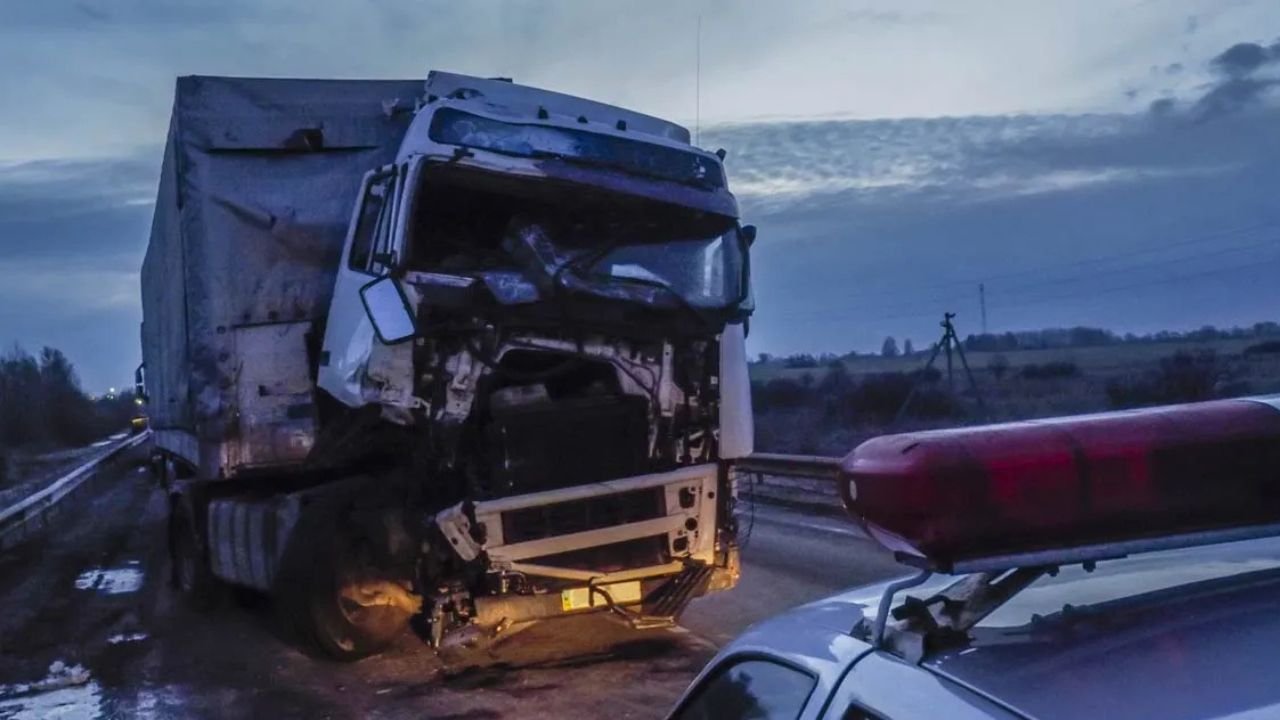
Truck crashes rarely happen without warning signs. Speed, sudden braking, and hard turns leave a trail of digital clues. That trail sits inside a truck’s “black box.” You may hear police or insurance talk about it. They may move fast. You may feel shut out. That box stores speed, seat belt use, throttle, airbag data, and more. It can show what happened in the moments before a crash. It can support your memory. It can challenge a false story. Insurance companies know this.
Trucking companies know this. You should know it too. You need fast access, clear answers, and honest guidance. A truck accident attorney can request that data, stop its loss, and explain what it means in plain terms. You deserve to understand how that small device can shape fault, money, and justice after a sudden crash.
What a Truck “Black Box” Really Is
A truck black box is often called an Event Data Recorder or EDR. It is a small device that records what the truck does on the road. It does not watch you. It does not listen to you. It tracks how the truck runs.
Most modern trucks record key facts. These facts can show how the truck moved and how the driver reacted before a crash.
Common data includes three core groups.
- Driving behavior
- Vehicle condition
- Safety system use
This data can help you answer the hard question. What really happened?
What Kind of Data the Black Box Records
Each truck model records different sets of data. Yet many record the same core facts. The list below shows common data types.
- Speed just before impact
- Speed changes in the last few seconds
- Brake use and how hard the brakes were pressed
- Throttle position and engine power
- Seat belt use
- Airbag deployment
- Cruise control use
- Sudden steering moves
- Engine fault codes
The National Highway Traffic Safety Administration explains how EDRs record crash events and support safety research. You can read more at NHTSA Event Data Recorder information.
How Black Box Data Compares to Human Memory
Memory after a crash can feel cloudy. Stress, fear, and pain can blur details. Black box data does not feel. It records numbers. Each has limits. Yet together they can form a stronger picture.
| Source | Strength | Limit |
|---|---|---|
| Black box data | Shows exact speed, braking, and timing in seconds | Cannot show what a driver saw or felt |
| Witness memory | Describes sounds, road conditions, and driver behavior | Can fade or change over time |
| Police report | Summarizes statements and visible damage | Often written fast with missing details |
| Crash photos | Show damage and skid marks | Do not show movement before impact |
When you combine these sources you get a clearer story. You move closer to the truth about fault and speed.
Why This Data Matters in a Truck Accident Case
Black box data can change a case that seems lost. It can confirm that the truck driver was speeding. It can show that the driver never hit the brakes. It can show that a claim that you “cut off the truck” does not match the timing.
This data can help you.
- Prove the truck driver broke traffic rules
- Show the truck company ignored maintenance problems
- Challenge unfair blame placed on you
- Support a higher settlement when injuries are severe
Insurance adjusters study this data. Truck company lawyers study it. You need someone who can read it with your needs in mind.
How Long Black Box Data May Last
Black box data is not always permanent. Some devices record over old data when the truck keeps moving. Some keep only the last crash event. A repair shop may clear codes. A truck company may remove parts.
This is why time matters. Each day that passes can risk loss of key proof. A written request to preserve data can help protect your rights. Court orders can also help keep the device and its contents safe.
The Federal Motor Carrier Safety Administration explains how truck safety rules work and how companies must keep certain records. You can learn more at the FMCSA regulations page.
How a Lawyer Uses Black Box Data
You may wonder what happens after someone gets the data. The raw file often needs special tools and training. A lawyer often works with a crash reconstruction expert. Together they can read the data and compare it with photos, road marks, and medical records.
They may use the data to create three clear steps.
- Rebuild the seconds before the crash
- Match that story with witness accounts
- Use the results in talks with insurance or in court
This careful work can expose speeding, fatigue, or poor training. It can also clear a careful driver who did nothing wrong.
What You Should Do After a Truck Crash
You do not need to sort out all of this alone. You can still take simple steps early that protect your family.
- Get medical care even if you feel “fine” at first
- Take photos of the scene, the truck, and your car if you can do so safely
- Keep copies of the police report and any contact cards
- Write down what you remember while it is still fresh
- Ask a lawyer to send a letter that demands preservation of black box data
You deserve clear proof, not guesswork. Black box data can bring hard truth into focus. With that truth you stand on stronger ground when you ask for repair, medical costs, lost income, and fair respect for your pain.

