

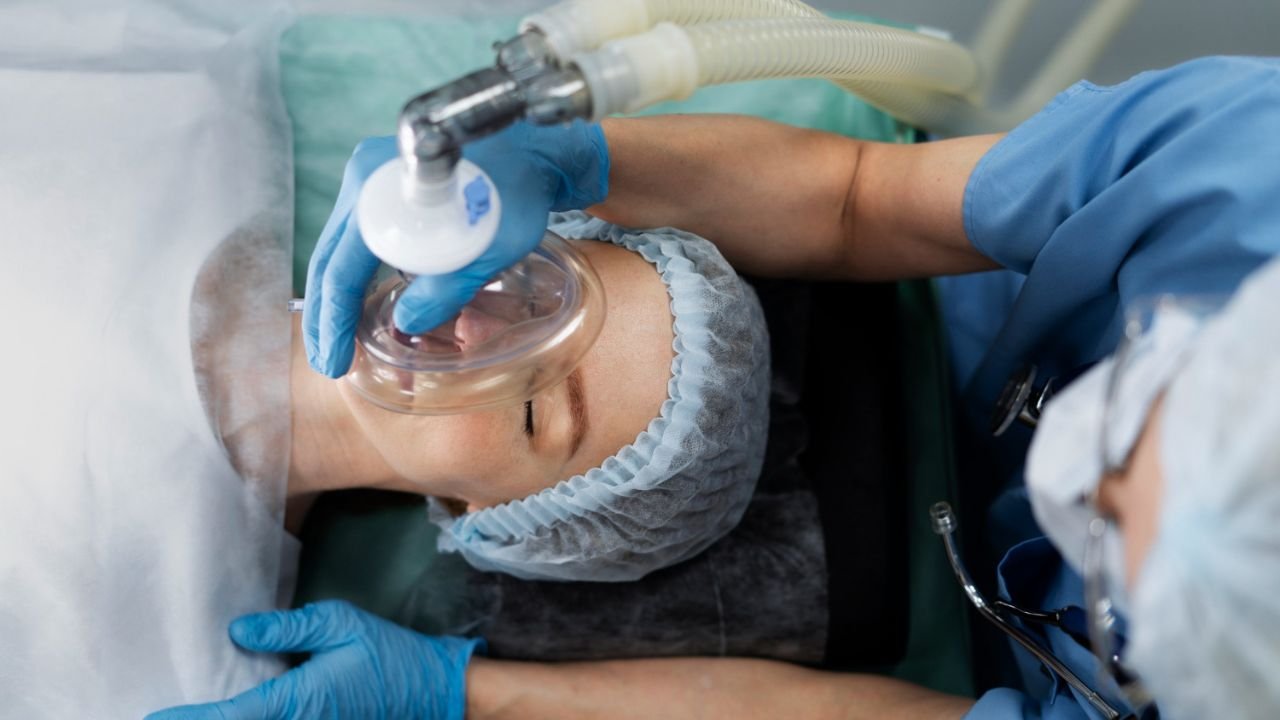
When you agree to surgery, you trust your team to keep you safe. Anesthesia should protect you from pain. It should not leave you with brain damage, organ injury, or a family member gone too soon. Yet anesthesia errors still happen. A wrong dose. Poor monitoring. Missed allergies. Each mistake can turn a routine surgery into a crisis. You may wake up confused, unable to move, or facing a long recovery you never expected.
You may also face crushing medical bills and lost income. You do not have to carry that weight alone. You have rights under the law. You can ask hard questions and demand answers. You can seek accountability. A Decatur medical malpractice attorney can help you understand what went wrong, who is responsible, and what steps you can take to protect your future.
What Anesthesia Is Supposed To Do
Anesthesia is medicine that controls pain and awareness during surgery or other procedures. It should:
- Keep you asleep or calm
- Block pain
- Protect breathing and heart function
Doctors and nurses must check your health history. They must watch your breathing, blood pressure, and heart rate. They must use safe drugs and equipment. When they ignore these duties, you pay the price.
Common Types of Anesthesia Errors
Anesthesia errors take many forms. Some are clear. Others are quiet but deadly. Common problems include:
- Wrong dose of anesthesia medicine
- Failure to monitor oxygen and breathing
- Not checking allergies or drug interactions
- Improper use of breathing tubes
- Delays in reacting to low oxygen or low blood pressure
- Use of faulty machines or lines
Each error can harm the brain, heart, kidneys, or lungs. In children and older adults, the risk can be higher. You deserve clear answers when anything goes wrong.
Possible Health Effects You May Face
Anesthesia mistakes can change your life in one moment. You may face:
- Brain injury from low oxygen
- Heart attack or stroke
- Nerve damage that affects movement or feeling
- Memory loss or confusion
- Aware but paralyzed during surgery
- Death of a loved one
The U.S. Agency for Healthcare Research and Quality explains that poor monitoring and response can raise the chance of anesthesia harm and death. You can read more in its guidance on anesthesia and patient safety.
How Often Anesthesia Problems Happen
Modern anesthesia is safer than it was decades ago. Yet preventable harm still occurs. Data from medical studies and safety reports show that many anesthesia injuries link to human error. These include wrong doses and poor response to warning signs.
The table below gives a simple comparison of two broad groups of anesthesia problems that appear in safety research.
| Type of anesthesia problem | Typical cause | Possible result
|
|---|---|---|
| Drug related error | Wrong drug, wrong dose, missed allergy | Low blood pressure, organ injury, death |
| Monitoring and airway error | Poor oxygen monitoring, tube problems | Brain damage, heart attack, death |
Even one preventable error is too many when it affects your body or your child.
Signs That An Anesthesia Error May Have Occurred
You may not know what happened in the operating room. Yet warning signs after surgery can point to an anesthesia mistake. Watch for:
- Unexpected brain injury or coma after routine surgery
- Severe confusion that does not improve
- New movement problems or paralysis
- Unclear cause of cardiac arrest during surgery
- Staff who refuse to explain what happened
If a loved one dies during or soon after surgery, you should ask for the full medical chart and a clear explanation. You deserve transparency and respect.
What To Do Right After You Suspect An Error
Your steps in the first days and weeks can protect your health and your legal rights. You can:
- Ask for a complete copy of medical records and anesthesia notes
- Write down what you remember before and after surgery
- Save bills, discharge papers, and any messages from the hospital
- Seek a second medical opinion as soon as you can
- Contact a trusted medical malpractice attorney for review
Prompt action can preserve proof. It can also support your recovery plan.
Your Legal Rights After Anesthesia Harm
The law allows you to seek justice when a medical professional fails to meet accepted standards of care and that failure hurts you. In many states you may recover money for:
- Past and future medical costs
- Lost wages and loss of future earning ability
- Pain, suffering, and loss of enjoyment of life
- Wrongful death damages for a family member
Each state has time limits for filing a claim. Some also have special rules for claims against public hospitals. You should not wait to learn about these rules.
How A Lawyer Can Help You and Your Family
An anesthesia case is complex. You face medical terms, insurance companies, and hospital lawyers. You do not need to face them alone. An experienced attorney can:
- Review your medical records for signs of error
- Consult with independent anesthesiology experts
- Explain your rights in plain language
- Handle insurance and hospital communication
- Seek fair compensation through settlement or trial
The National Institutes of Health share research on anesthesia related harm and patient outcomes on PubMed and related resources. A lawyer uses such research along with expert testimony to show what the care should have been and how it failed you.
Protecting Yourself Before Surgery
You cannot control every risk. Yet you can take steps to lower the chance of an anesthesia error. Before surgery you can:
- Give a full list of your medicines and supplements
- Share any history of anesthesia problems in you or close family
- Ask who will give the anesthesia and who will monitor you
- Confirm allergies and past reactions to drugs
- Ask how your breathing and heart will be watched during surgery
Clear questions and honest answers help your team plan safe care. They also create a record of the warnings you gave.
When You Need Support
Anesthesia errors shatter trust. You may feel anger, grief, or fear. You may worry about how to care for your family now. You are not alone in that struggle. Medical experts, support groups, and a skilled malpractice attorney can stand with you.
You have the right to know what happened. You have the right to demand safer care and fair payment for your losses. You also have the right to move forward with dignity. Careful action today can protect your health, your family, and your sense of justice.

